


The Future of Events in 2026: Why People Matter More Than Technology
The future of events 2026 isn’t defined by technology alone; it’s shaped by changing audience expectations. Today’s audiences are more informed, more selective, and more intentional about where they spend their time. With endless content available on demand, attending a live event has become a deliberate choice. This shift is forcing the events industry to confront a central question: what makes a live event truly worth showing up for?
The answer lies with three influences: AI, culture, and human connection.
How Audiences Are Redefining the Future of Events in 2026
In 2026, audiences are no longer passive attendees. They expect events to respect their time, reflect their values, and deliver clear and tangible value. That value may come in the form of learning, meaningful networking, inspiration, or a sense of belonging.
Traditional event formats — long agendas, generic sessions, and surface-level networking — are losing relevance. Instead, successful events are designed around audience intent, not just schedules or floor plans.
Key trend: audience-first event design is now a competitive advantage.
How AI Is Transforming Events in 2026
Artificial intelligence has become a foundational tool across the events industry. Rather than acting as a headline feature, AI now works behind the scenes to improve the attendee experience.
Common uses of AI in events include smarter registration and check-in processes, personalised content and session recommendations, AI-powered networking and matchmaking, and real-time operational insights and crowd management.
AI has raised the baseline expectation of what a well-run event looks like. Its real value isn’t visibility — it’s efficiency, responsiveness, and scale. By reducing friction and automating logistics, AI gives event teams more freedom to focus on experience design and creativity.
Why Cultural Relevance Matters in Live Events
Cultural awareness has become a critical measure of credibility in the events industry. Audiences are highly attuned to whether an event genuinely reflects its stated values — or simply performs them.
In 2026, cultural relevance shows up through who is given a platform and voice, how inclusivity is designed into the experience, sustainability and production choices, and the representation of local culture and identity.
Events that ignore cultural context risk feeling out of touch. Those that engage authentically build trust, relevance, and long-term loyalty.
Why Emotional Impact Matters in Live Events
Live events are no longer competing only with other events — they’re competing with everything that demands attention, from streaming platforms to social media. To stand out, events must deliver emotional connection.
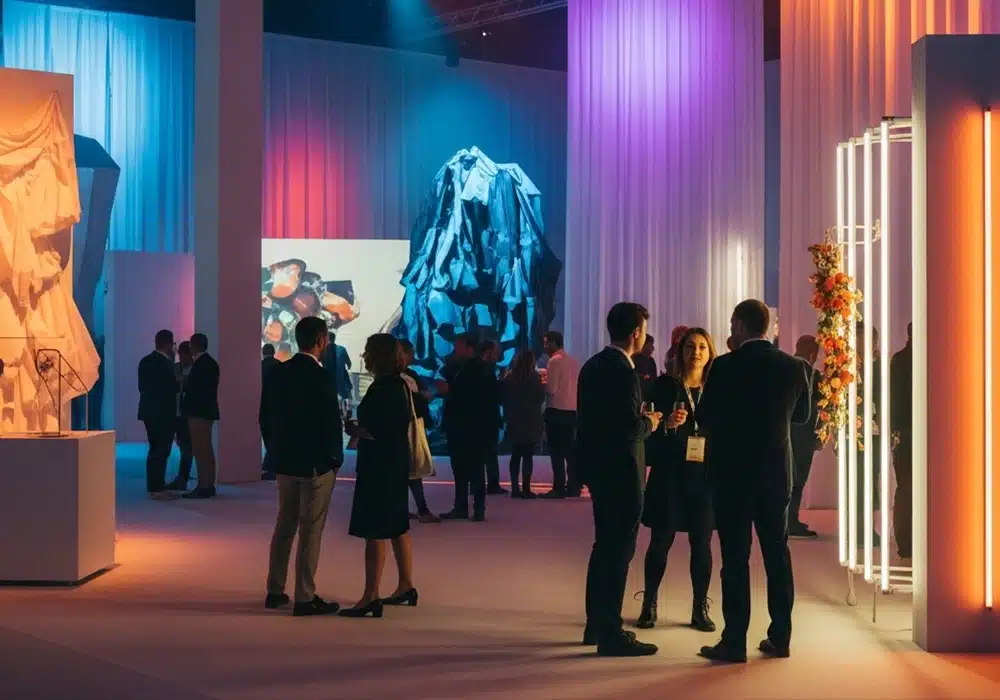
Immersive environments, interactive formats, and shared moments are now central to successful event design. Audiences want to feel involved, not just present. In 2026, the most memorable events will be defined by collective energy, participation and interaction, and moments that extend beyond the content itself.
What the Future of Events Means for Event Professionals
The convergence of AI, culture, and live experience isn’t about adding more layers — it’s about integration. Successful events in 2026 will use AI to remove friction, not replace creativity; treat culture as a foundation, not a theme; and prioritise connection and experience over scale.
As a result, event planners and producers are evolving into experience strategists, cultural curators, and community builders.
The Future of Events in 2026: What Matters Most
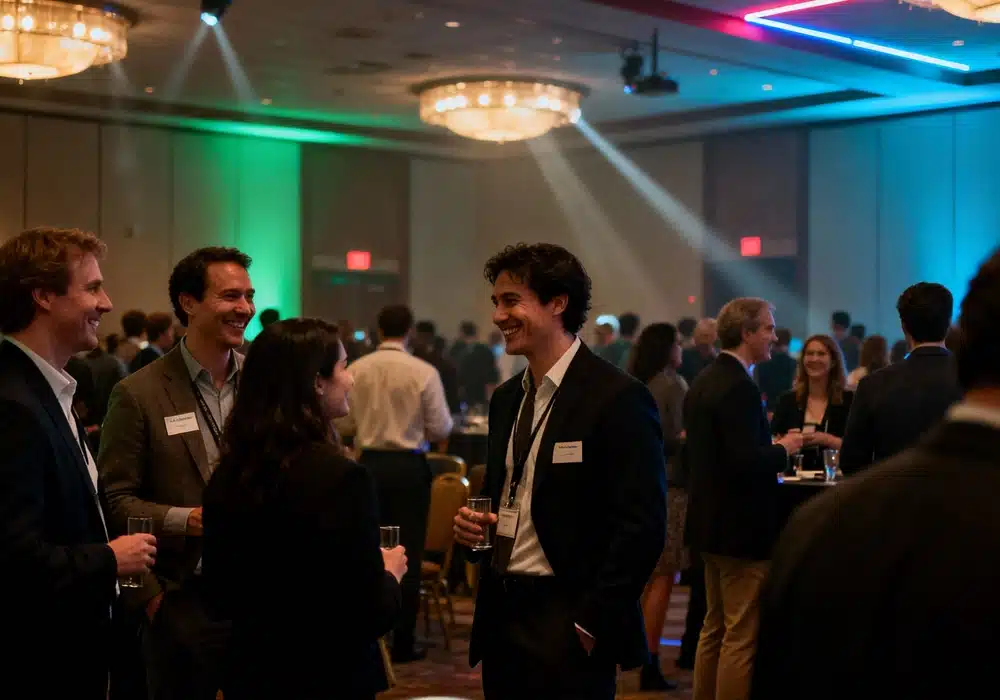
The future of events will be shaped less by what’s possible and more by what’s meaningful. In 2026, the most impactful events won’t necessarily be the biggest or the most technologically advanced. They’ll be the ones that understand their audience, respect cultural context, and create intentional, human-centred live experiences.
Those are the events that feel worth the journey.
