


Less Is More: The Rise of Intentional Events
For years, successful events were often associated with bigger venues, packed agendas and impressive production. But expectations are changing.
Today, audiences want experiences that feel relevant, engaging and worth their time. As a result, intentional events are becoming an increasingly important part of modern event planning.
Rather than adding more activities, content or entertainment, organisers are focusing on what genuinely adds value.
The idea is simple: a memorable event is not necessarily the one that offers the most. It is the one that makes every moment count.
Moving Beyond Bigger Is Better
A larger event does not automatically create a better experience.
While large-scale conferences and productions still have their place, organisers are increasingly questioning whether every element of an event serves a clear purpose.
Does another presentation add value? Will an additional activation improve engagement? Is a packed schedule giving attendees enough time to connect?
These questions are shaping a more thoughtful approach to event planning.
By prioritising quality over quantity, organisers can create experiences that feel focused, enjoyable and relevant to their audience.

The Rise of Smaller, More Meaningful Events
One growing trend is the popularity of smaller, carefully curated gatherings.
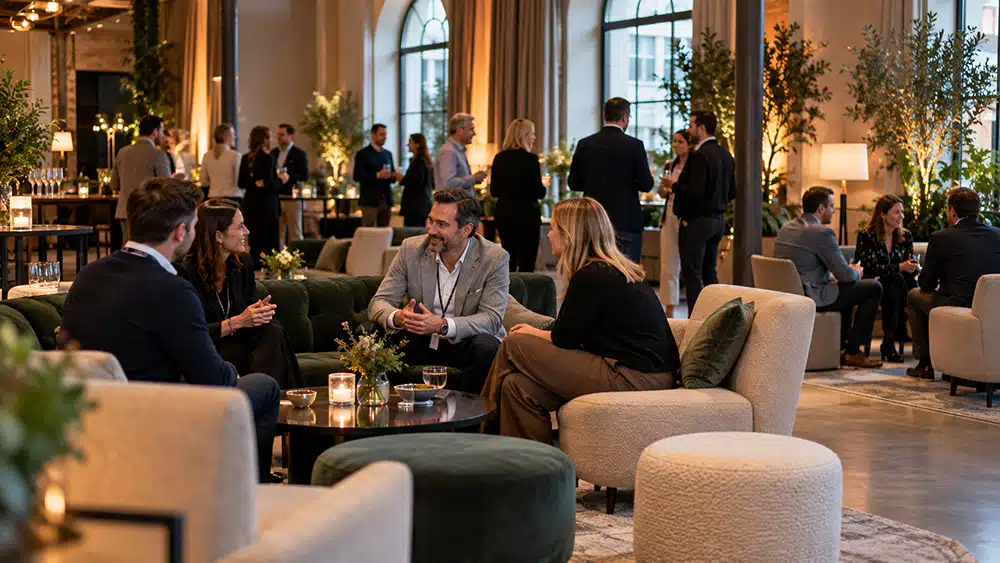
From industry roundtables and networking dinners to focused workshops, these formats offer opportunities for meaningful interaction.
With fewer attendees, conversations can become more personal. Participants may also feel more comfortable contributing ideas, asking questions and building professional relationships.
However, intentional events are not necessarily small events.
Large conferences can adopt the same approach through targeted breakout sessions, smaller networking groups and experiences designed for specific audiences.
Ultimately, the goal is not to reduce attendance. It is to make participation more valuable.
Giving Every Moment a Purpose
An event agenda should do more than fill the available time.
Back-to-back presentations, constant activities and limited breaks can leave attendees feeling overwhelmed. Even valuable content can lose its impact when audiences have little time to absorb it.
A more intentional programme creates a balance between learning, interaction and downtime.
Shorter sessions, purposeful networking opportunities and well-timed breaks can help maintain energy throughout the event.
This approach also gives attendees greater freedom to engage with the experiences that matter most to them.
Sometimes, giving people more breathing room creates better opportunities for connection.
Designing Spaces That Work Harder
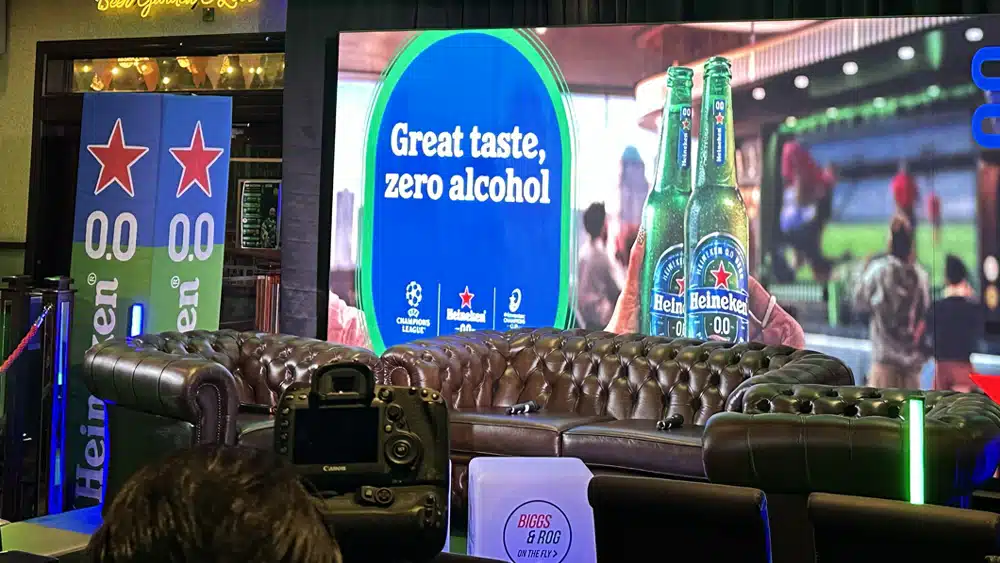
The environment plays an important role in how people experience an event.
A visually impressive venue can create a strong first impression. However, good event design should also consider how people move, interact and feel within the space.
Comfortable networking areas, flexible seating and clear layouts can encourage natural conversations. Meanwhile, thoughtful lighting and sound can help establish the right atmosphere without overwhelming attendees.
Even smaller venues can deliver memorable experiences when every element has a clear purpose.
Instead of asking how much can fit into a space, organisers should consider how the space can best support the people using it.
Making Smarter Use of Event Budgets
Creating impactful events does not always require spending more.
In fact, intentional events can help organisers make better use of available resources.
Rather than spreading a budget across numerous activities, teams can invest in the elements that contribute most to the event’s objectives.
For example, a well-designed networking experience may offer greater value than an additional entertainment feature. Similarly, investing in clear communication and smooth guest arrivals can improve the overall experience.
This does not mean removing creativity or production value.
It means making deliberate choices that balance ambition, audience needs and budget.
Measuring What Really Matters
Attendance figures remain important, but they do not tell the whole story.
A successful event should also be measured by the quality of engagement and the value it creates.
Did attendees participate in discussions? Did they make useful connections? Did they leave with new knowledge, ideas or a stronger understanding of the event’s message?
Feedback, engagement levels and post-event conversations can all help organisers understand what worked.
By focusing on meaningful outcomes rather than simply counting activities or attendees, event teams can make better decisions for future experiences.
The Future Is More Intentional
The events industry will always thrive on creativity, energy and memorable moments.
However, creating impact does not mean filling every available space or minute.
The rise of intentional events reflects a wider shift towards thoughtful planning, relevant content and experiences that respect attendees’ time. Every element should contribute to the bigger picture, from the first impression to the final interaction.
Because successful events are not defined by how much happens.
They are defined by how much those moments matter.